



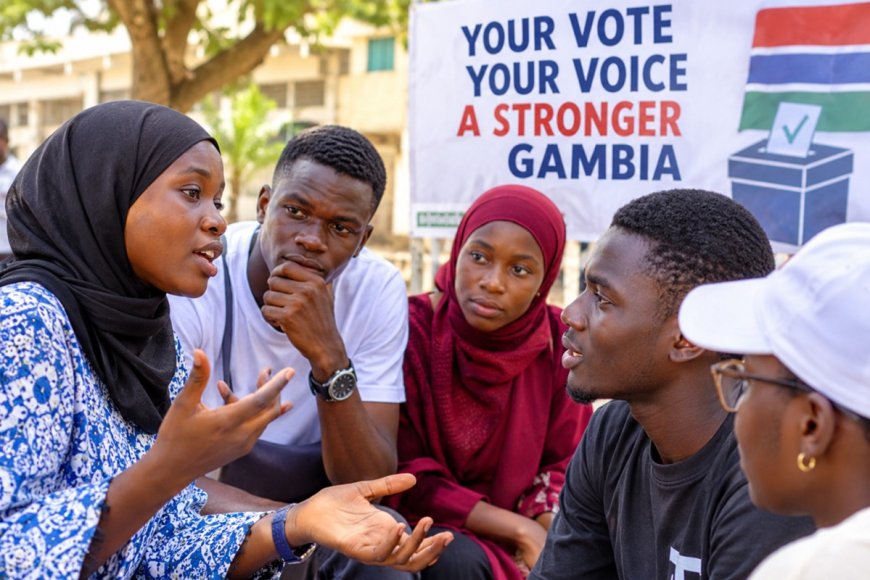
ANALYSIS: Why Gambian Voters—Not Opinion Polls—Will Decide the December 5, 2026 Presidential Election
FULANI NEWS MEDIA VERIFICATION & NEUTRALITY NOTE: This political analysis examines publicly released survey findings from Gambia Participates (Round 3, conducted October 20 – November 4, 2026) and the Centre for Research and Policy Development (CepRass, released November 16, 2026), alongside official candidate records from the Independent Electoral Commission (IEC). Fulani News Media (fulaninewsmedia.com) does not endorse any political party or candidate.
By Alphajoe Aj Jallow | Founder, CEO & Lead Analyst, Fulani News Media / Fulbe Laide Afrika
• Date: Wednesday, November 18, 2026
.BANJUL / SERREKUNDA, THE GAMBIA — With seventeen days remaining until Gambians head to the polls on December 5, 2026, two major national opinion surveys released this week have sparked intense debate across markets, bantabas, and social media timelines.
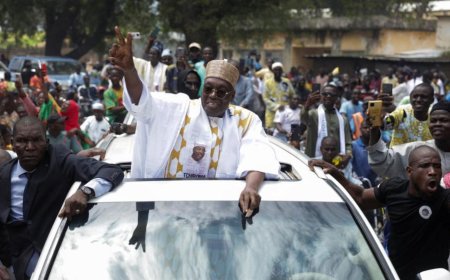
On November 18, 2026, civil society organization Gambia Participates released its Round 3 Opinion Poll (conducted between October 20 and November 4, 2026, among 1,861 respondents with a ±2.3% margin of error), showing incumbent President Adama Barrow (NPP) at 28% (down 4 points from Round 2), Ousainu Darboe (UDP) at 25% (unchanged), Talib Ahmed Bensouda (UNITE) at 24% (up 5 points), other candidates at 4%, and 19% undecided. Two days earlier, on November 16, 2026, the Centre for Research and Policy Development (CepRass) released its own national survey showing the NPP-led alliance at 37.9%, the Gambia First Coalition (UDP) at 24.2%, Talib Bensouda (UNITE) at 11.3%, and 18% undecided or declining to disclose.
Why Opinion Polls Are Snapshots, Not Election Results
While independent surveys provide useful insight into public priorities and regional trends, Gambian data scientists and political analysts emphasize several reasons why polling numbers do not determine the final outcome on December 5, 2026:
• Pre-Campaign Timing: Both surveys were conducted before the official 18-day campaign period began on November 16, 2026. Voter preferences often shift significantly once candidates present their manifestos directly to communities across all 53 constituencies.
• The Decisive Undecided Bloc: Roughly 18% to 19% of respondents in both polls remain undecided—a bloc larger than the gap separating the leading contenders. How these voters break in the final days will shape the race.
• No Margin of Error at the Ballot Box: As Gambian statisticians have noted, a sample of 1,500 to 1,800 respondents carries regional margins of error, whereas on December 5, 2026, every registered citizen casts an individual, equal vote under The Gambia's single-round first-past-the-post system.
• Nine Certified Contenders: Voters have nine (9) IEC-certified candidates on the ballot—Adama Barrow (NPP), ANM Ousainu Darboe (UDP), Talib Ahmed Bensouda (UNITE), Modou Lamin Sima (APC), Ebrima Tabora Manneh (PAP), Ansu Sanneh (NBP), and independent candidates Isatou Touray, Lamin J. Darbo, and Almameh Gibba.
The Bottom Line for Gambian Voters
Polls measure yesterday’s mood; ballots decide tomorrow’s leadership. Between now and December 3, 2026, when official campaigning closes, the greatest power lies with ordinary Gambian citizens—listening carefully to every candidate’s concrete plans for the economy, cost of living, agriculture, healthcare, and youth employment, and turning out peacefully to vote on December 5, 2026.
© 2026 Fulani News Media (fulaninewsmedia.com) / Fulbe Laide Afrika. All Rights Reserved.